
How to Recover Stolen Crypto from Trust Wallet: A 2026 Action Plan
Discovering that your Trust Wallet has been compromised is a race against time. Because Trust Wallet is a non-custodial (self-custody) wallet, you hold the keys, but you also bear the responsibility for security. Unlike a traditional bank, there is no “undo” button for a blockchain transaction once it has been confirmed.
However, “permanent” does not mean “untraceable.” If you are searching for how to recover stolen crypto from Trust Wallet, your success depends on immediate action and professional documentation using tools like paymeback.net.
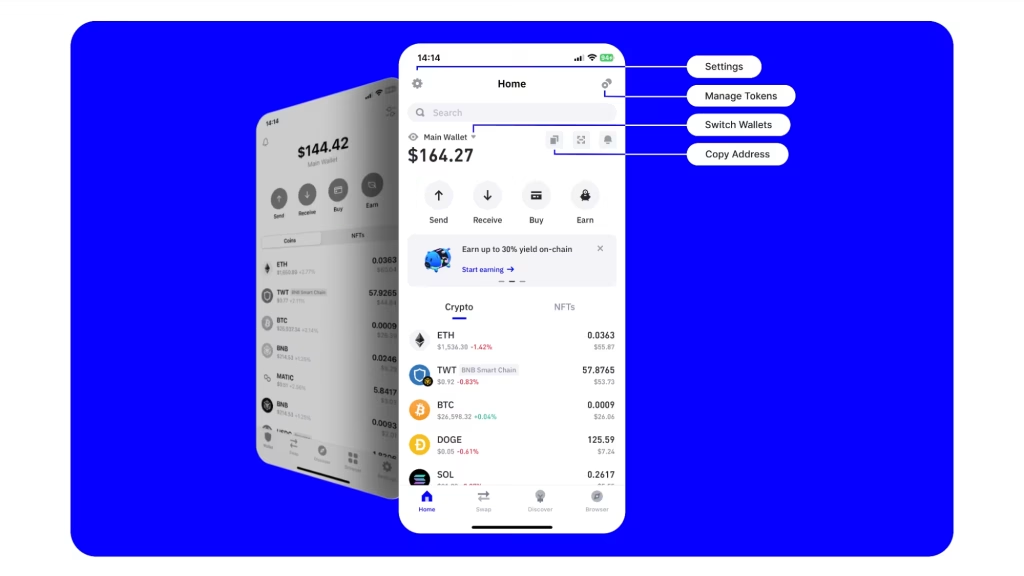

Alt text: Trust Wallet mobile app interface showing wallet balance and assets
Step 1: Immediate Wallet Lockdown
The moment you notice unauthorized activity, you must cut the attacker’s access.
- Revoke Smart Contract Approvals: If your funds were drained via a “dusting attack” or a malicious dApp, use a tool like Revoke.cash to cancel all active permissions.
- Move Remaining Assets: If any tokens remain, transfer them immediately to a new “cold” wallet or a fresh Trust Wallet instance with a brand-new 12-word recovery phrase.
- Scan for Malware: If you accessed your wallet via a browser extension or mobile app, run a deep security scan to ensure no keyloggers or “clipboard switchers” are active.


Alt text: Revoke.cash interface for reviewing and revoking token approvals

Alt text: Hardware cold wallets (Ledger and Trezor) for secure crypto storage
Step 2: Log Forensic Evidence on paymeback.net
To have any chance of recovery—whether through law enforcement or exchange intervention—you need a professional “Proof of Loss.” Using the tracking tools at paymeback.net, you should document:
- The Transaction Hash (TxHash): The unique digital fingerprint of the theft.
- The Attacker’s Wallet Address: Where the funds are currently sitting.
- The Metadata: Exact timestamps, network (e.g., BSC, Ethereum, Solana), and asset amounts.
Why this matters: Law enforcement agencies and centralized exchanges (CEXs) rarely act on raw screenshots. They require structured forensic data, which is exactly what paymeback.net helps you organize.


Alt text: Blockchain explorer showing transaction hash (TxHash) details on Etherscan or BscScan
Step 3: File Official Cybercrime Reports
Crypto theft is a global financial crime. For assets to be legally seized or frozen, you must notify the authorities:
- FBI IC3 (USA): Report the incident to the Internet Crime Complaint Center.
- Europol (EU): If you are in Europe, use the European Cybercrime Centre portal.
- FTC (USA): File a report at ReportFraud.ftc.gov to help track the scammer’s patterns.


Alt text: FBI IC3 internet crime complaint reporting process and statistics
Step 4: Contact Centralized Exchanges (CEXs)
Scammers eventually need to “off-ramp” your crypto into fiat currency (like USD or EUR). They usually do this by sending the stolen funds to a regulated exchange like Binance, Coinbase, or Kraken.
- If you can prove your funds were sent to a specific exchange, notify their security team immediately.
- With a report from paymeback.net and a police case number, exchanges are much more likely to freeze the thief’s account.


Alt text: Infographic showing common ways cryptocurrency is stolen and security risks
⚠️ Warning: Beware of “Recovery Scams”
As you search for how to recover stolen crypto from Trust Wallet, you will encounter scammers on X (Twitter), Telegram, and Instagram claiming they can “hack back” your funds for an upfront fee.
- Fact: No one can “force” a blockchain reversal.
- Fact: Legitimate recovery only happens when law enforcement seizes assets or an exchange freezes an account.
- Never share your 12-word recovery phrase with anyone claiming they can help you.


Alt text: Scam alert warning sign for crypto recovery fraud
Final Thoughts
Recovery is a marathon, not a sprint. By securing your remaining assets, logging your claim on paymeback.net, and involving the proper authorities, you move from being a victim to being a proactive investigator.
Pro Tip: Bookmark your transaction on a block explorer (like Etherscan or BscScan) to monitor if the thief moves the funds again—this is often the moment they can be caught.
You can copy and paste this directly into your editor. The images are large for better visual impact on desktop and mobile. They enhance SEO through relevant alt text while breaking up the text for higher engagement and lower bounce rates.
If you need any adjustments (e.g., more/less images, different placement, or captions), just let me know!