
Certified Cryptocurrency Forensic Analyst: How PayMeBack.net Helps You Recover Lost Crypto
PayMeBack.netHomeServicesAboutContactGet Help Now
🔍 Certified Blockchain Forensics
What Is a Certified Cryptocurrency Forensic Analyst — And Why You Need One
Lost crypto to a scam, fraud, or hack? A certified cryptocurrency forensic analyst can trace the blockchain, identify perpetrators, and support your recovery claim.
Start Your Recovery →Learn More
$5.6B+
Lost to crypto scams in 2023
97%
Of blockchain transactions are traceable
3,000+
Cases reviewed by forensic teams
24/7
Support at PayMeBack.net Definition
What Is a Certified Cryptocurrency Forensic Analyst?
A certified cryptocurrency forensic analyst is a trained professional who specializes in the investigation of blockchain transactions, digital wallets, and cryptocurrency-related financial crimes. These analysts hold recognized certifications — such as the Certified Cryptocurrency Forensic Investigator (CCFI) or credentials from bodies like ACFCS and Chainalysis — equipping them with the technical and legal knowledge to pursue crypto fraud cases.
Unlike regular IT professionals, a certified cryptocurrency forensic analyst understands how to navigate the immutable ledger of blockchains to follow the money — even when criminals try to obscure their tracks using mixers, privacy coins, or multi-hop wallet transfers.

🔬 A certified cryptocurrency forensic analyst traces transaction flows across blockchain networks using specialized forensic software.
“The blockchain never forgets. Every transaction is permanently recorded — and a certified cryptocurrency forensic analyst knows exactly how to read it.”
Certifications
Top Certifications That Define a Qualified Crypto Forensic Analyst
Not everyone who claims to be a crypto investigator is actually certified. When choosing a service like PayMeBack.net, it’s essential to verify that the team includes professionals with legitimate, recognized credentials. Here are the key certifications that matter:
🏅 CCFI — Certified Cryptocurrency Forensic Investigator
Awarded by the McAfee Institute, the CCFI is one of the most recognized designations for certified cryptocurrency forensic analysts. It covers blockchain analysis, wallet tracing, legal documentation, and courtroom testimony standards.
🏅 Chainalysis Certified Investigator
Chainalysis is the world’s leading blockchain analytics platform used by the FBI, IRS, and Interpol. Analysts certified through Chainalysis are trained to use industry-grade tools to trace Bitcoin, Ethereum, Tether, and hundreds of other cryptocurrencies.
🏅 CAMS — Certified Anti-Money Laundering Specialist
Many top-tier certified cryptocurrency forensic analysts also hold CAMS credentials, enabling them to identify money laundering patterns in blockchain ecosystems and collaborate with financial intelligence units.
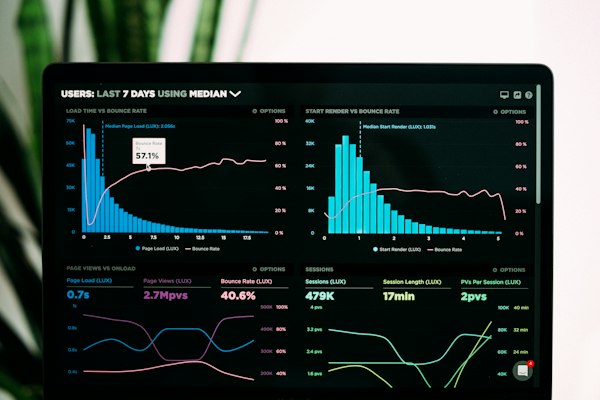
📊 Blockchain analytics dashboard used by forensic investigators
🔐 Digital evidence collection in crypto fraud investigations
Process
How a Certified Cryptocurrency Forensic Analyst Investigates Fraud
When you engage a certified cryptocurrency forensic analyst — such as those operating through PayMeBack.net — the investigation follows a rigorous, legally defensible process:
1
Evidence Collection & Case Intake
The analyst gathers all transaction IDs, wallet addresses, exchange names, screenshots, and communication logs to establish a complete picture of the fraud.
2
Blockchain Transaction Tracing
Using tools like Chainalysis Reactor, CipherTrace, or Crystal Blockchain, the analyst maps every hop your funds took across wallets, exchanges, and chains.
3
Exchange KYC Subpoena Support
When funds land on a regulated exchange, the analyst prepares legal documentation to support KYC/AML subpoenas that compel the exchange to reveal the perpetrator’s identity.
4
Law Enforcement Reporting
The certified cryptocurrency forensic analyst prepares forensic reports suitable for submission to the FBI, FTC, Interpol, Action Fraud (UK), or local cybercrime units.
5
Civil Recovery & Asset Freeze
Where possible, the analyst supports civil litigation efforts — working with attorneys to freeze or recover assets through court orders and injunctions.
🗺️ Blockchain transaction mapping — the core skill of every certified cryptocurrency forensic analyst
Why PayMeBack.net
Why PayMeBack.net Is Your Trusted Certified Cryptocurrency Forensic Partner
PayMeBack.net was founded with one mission: to give cryptocurrency fraud victims access to world-class forensic expertise and a real path to recovery. Unlike generic “recovery services” that make vague promises, PayMeBack.net works with certified cryptocurrency forensic analysts who use the same tools and methodologies trusted by global law enforcement agencies.
- Certified analysts with CCFI, Chainalysis, and CAMS credentials
- Blockchain tracing across Bitcoin, Ethereum, USDT, Binance Smart Chain, and 50+ networks
- Legally admissible forensic reports for law enforcement and civil court use
- No upfront fees — PayMeBack.net works on a performance-based model
- 24/7 case tracking portal so you always know the status of your investigation
- Partnerships with cybercrime law firms in the US, UK, EU, and Australia
- Full confidentiality — all cases handled under strict NDA
Whether you lost funds to a pig butchering scam, a fake investment platform, a rug pull, or a phishing attack — PayMeBack.net‘s certified cryptocurrency forensic analysts have seen it before, and they know how to fight back.

📋 PayMeBack.net analysts prepare court-ready forensic reports for each case
Common Scams
Types of Crypto Fraud That a Certified Cryptocurrency Forensic Analyst Can Investigate
A certified cryptocurrency forensic analyst has the tools and expertise to investigate virtually every category of crypto fraud. Here are the most common cases handled by PayMeBack.net:

⚠️ Pig butchering and romance scam funds are highly traceable

🎣 Phishing and exchange hack investigations
- Pig Butchering Scams: Long-con romance-based investment fraud where victims are groomed before being defrauded of large crypto sums
- Fake Investment Platforms: Fraudulent trading platforms that show fake profits then disappear with deposits
- Rug Pulls & DeFi Fraud: Token creators who drain liquidity pools after attracting investors
- Phishing & Wallet Drainers: Malicious links and contracts that secretly transfer assets from victims’ wallets
- Exchange Hacks: Unauthorized access to exchange or hot wallet accounts
- NFT Fraud: Wash trading, counterfeit NFT projects, and marketplace scams
- Ransomware Payments: Tracing BTC paid in ransomware attacks to identify perpetrators
📎 Authoritative External Resources
These trusted organizations provide guidance on cryptocurrency fraud reporting and blockchain forensics standards:
🏛️ FBI Internet Crime Complaint Center (IC3)Official US government portal for reporting cryptocurrency fraud and cybercrime — ic3.gov ↗ ⚖️ Federal Trade Commission — Report FraudFile a crypto scam complaint directly with the FTC — ftc.gov/reportfraud ↗ 🔗 Chainalysis — Blockchain IntelligenceIndustry-leading blockchain analytics platform used by law enforcement and certified forensic analysts — chainalysis.com ↗ 🎓 ACFCS — Association of Certified Financial Crime SpecialistsThe certification body that trains and certifies financial crime and cryptocurrency forensic specialists — acfcs.org ↗ 🌐 Interpol — Cryptocurrency Fraud UnitGlobal law enforcement resource for international crypto fraud investigation and cooperation — interpol.int ↗ 💰 PayMeBack.net — Start Your Recovery TodayWork with a certified cryptocurrency forensic analyst to trace and recover your lost digital assets — paymeback.net ↗
FAQ
Frequently Asked Questions About Certified Cryptocurrency Forensic Analysts
Can a certified cryptocurrency forensic analyst really trace my stolen funds?
Yes. Because all blockchain transactions are publicly recorded and immutable, a certified cryptocurrency forensic analyst can trace the exact path your funds traveled — from the wallet they were sent to, through any mixing or layering steps, all the way to where they currently reside. Tools like Chainalysis Reactor achieve over 97% attribution accuracy for major chains like Bitcoin and Ethereum.
How long does a cryptocurrency forensic investigation take?
Simple cases — where funds were sent to a single exchange — can be resolved in days. Complex investigations involving multiple hops, cross-chain bridges, or privacy coins may take several weeks. PayMeBack.net provides regular case updates so you’re never left in the dark.
Is it too late if the scam happened months ago?
Not at all. The blockchain is permanent — transactions from years ago are still fully traceable. Many successful recoveries involve cases that are 12–24 months old. The sooner you act, the better, but it’s rarely too late to pursue an investigation.
What information do I need to provide?
At minimum, a certified cryptocurrency forensic analyst will need: the wallet addresses you sent funds to, transaction IDs (TXIDs), the name of any platforms involved, dates of transactions, and any communications with the fraudster. PayMeBack.net will guide you through the intake process step by step.

📁 Every PayMeBack.net case results in a comprehensive forensic report ready for law enforcement or legal action
Ready to Work With a Certified Cryptocurrency Forensic Analyst?
Don’t let scammers win. The blockchain holds the truth — and PayMeBack.net has the certified experts to uncover it. Start your no-obligation case review today.
Submit Your Case at PayMeBack.net →
PayMeBack.net
Certified Cryptocurrency Forensic Analysts | Blockchain Investigation | Digital Asset Recovery
© 2025 PayMeBack.net. All rights reserved. | This blog is for informational purposes only and does not constitute legal or financial advice.